Four destinations to extend your stay, about one or two hours’ drive from Bormes.
The getaway notebook
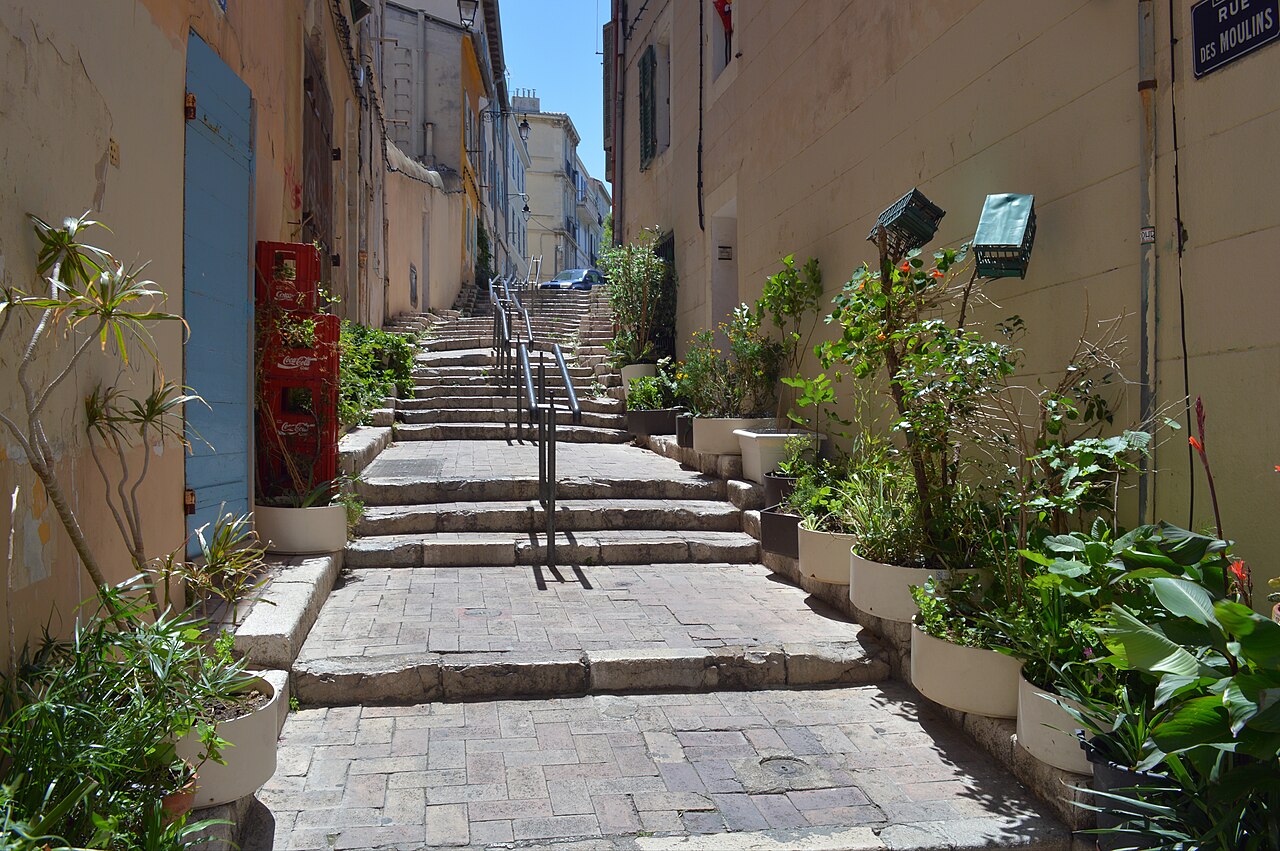
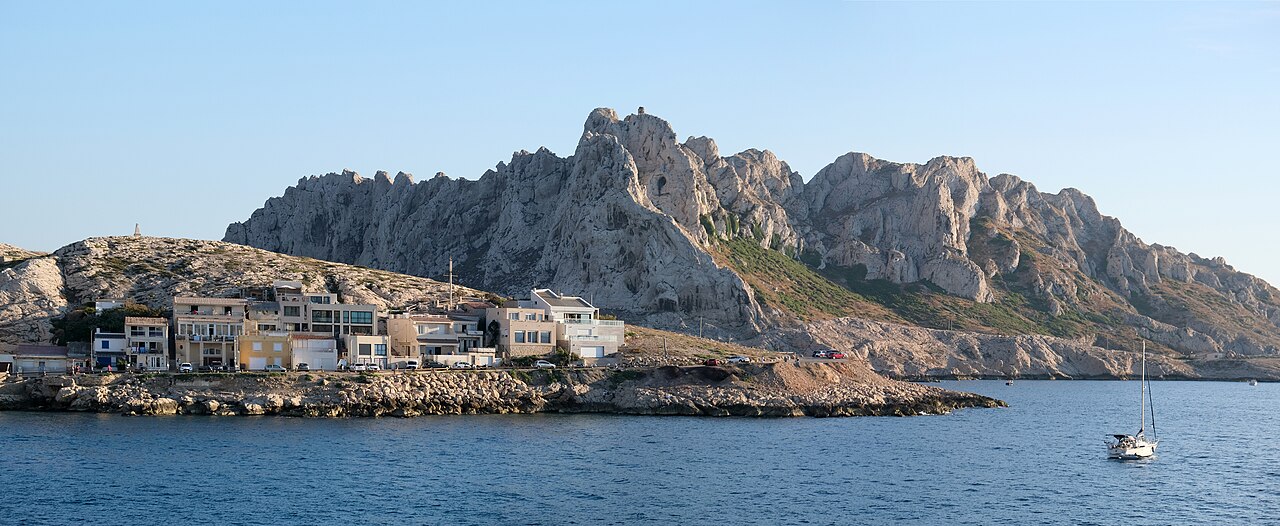
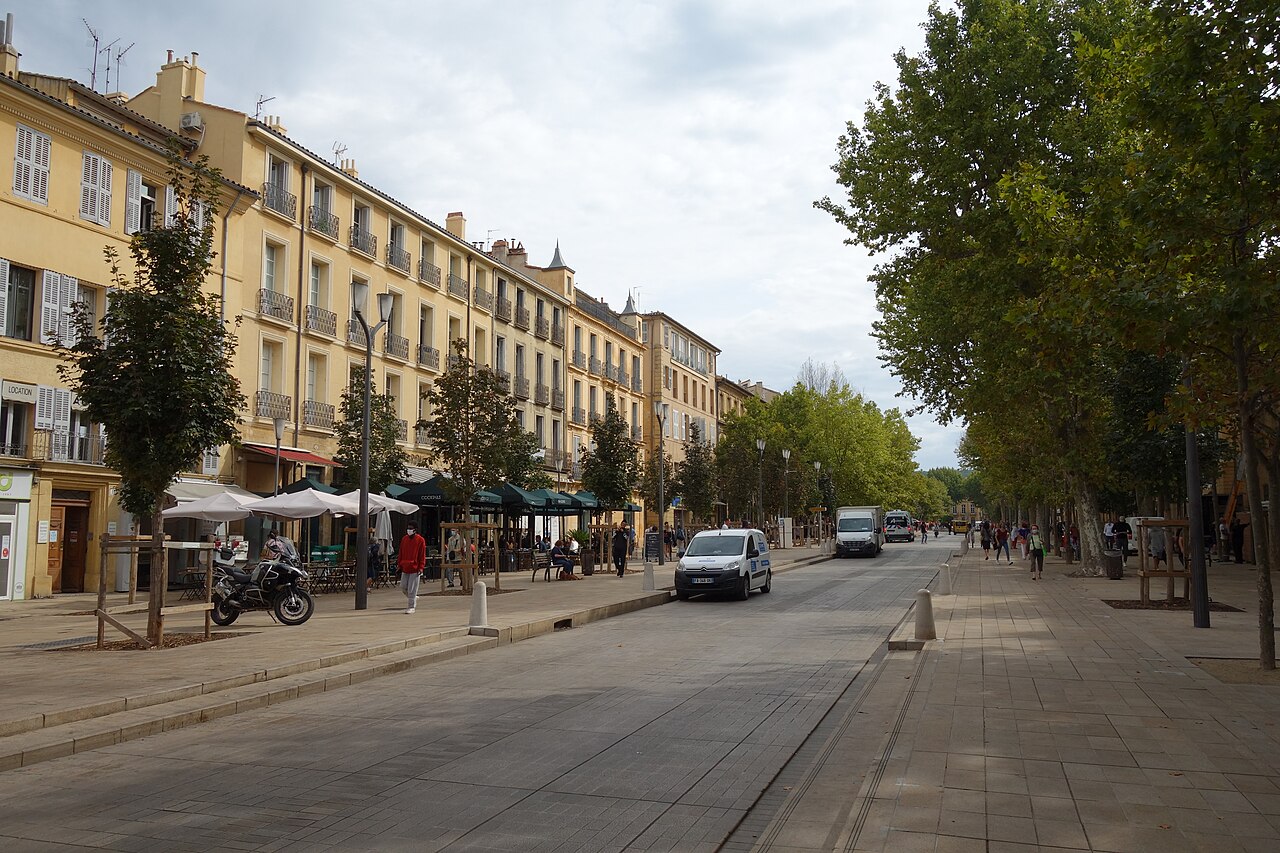
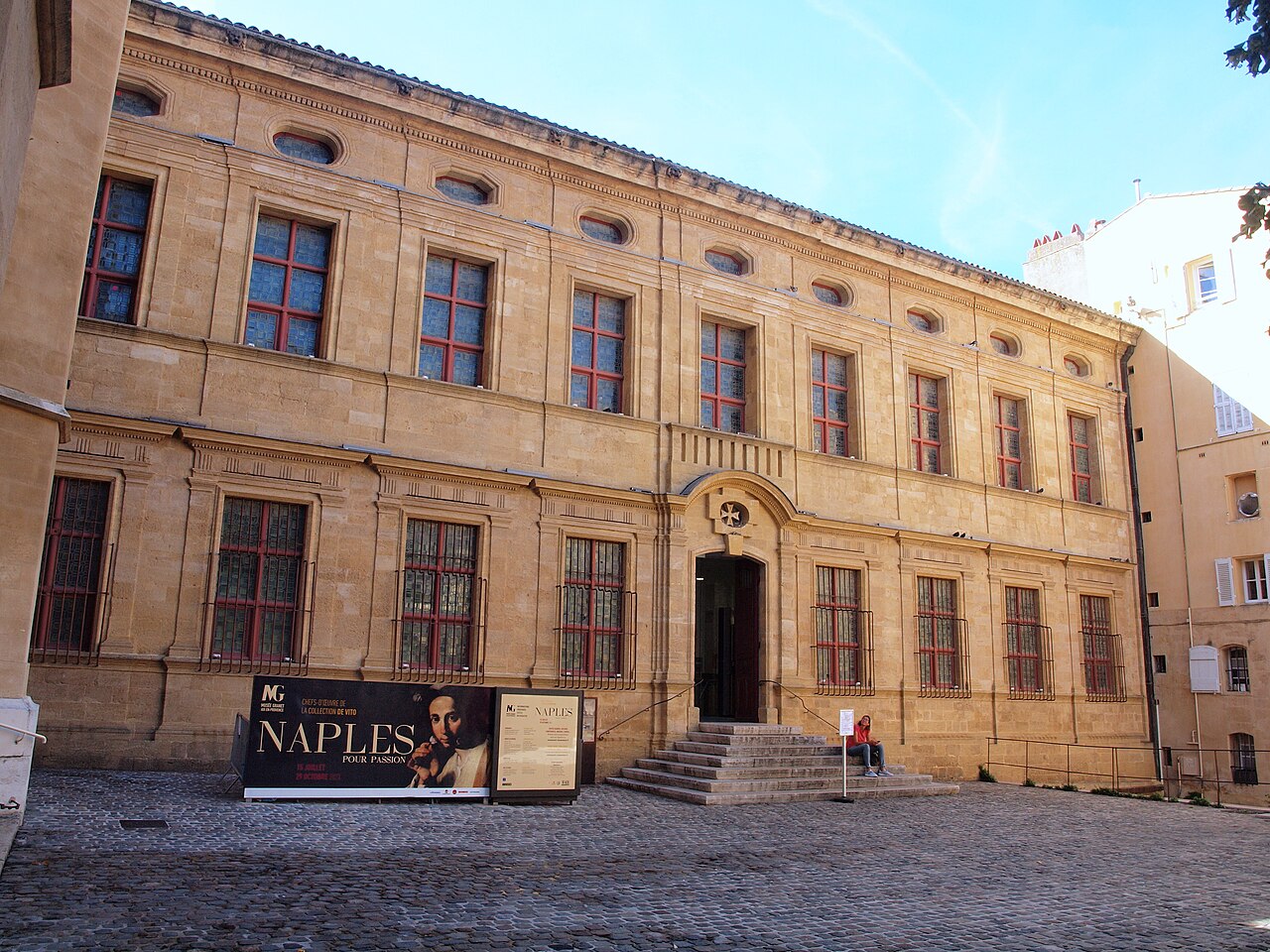
Marseille, Aix, Aubagne, Toulon.
From Canto Mistraou, each of these cities shows another face of Provence: the sea and calanques, fountains and museums, Pagnol’s hills, the harbour and Mont Faron. Here are concrete ideas, with photos and references to plan your day.
Between the Old Port, the MuCEM, Notre-Dame de la Garde and the calanques, Marseille is best enjoyed on foot or by boat. Pick two or three stops to keep a day’s pace, without trying to see everything.
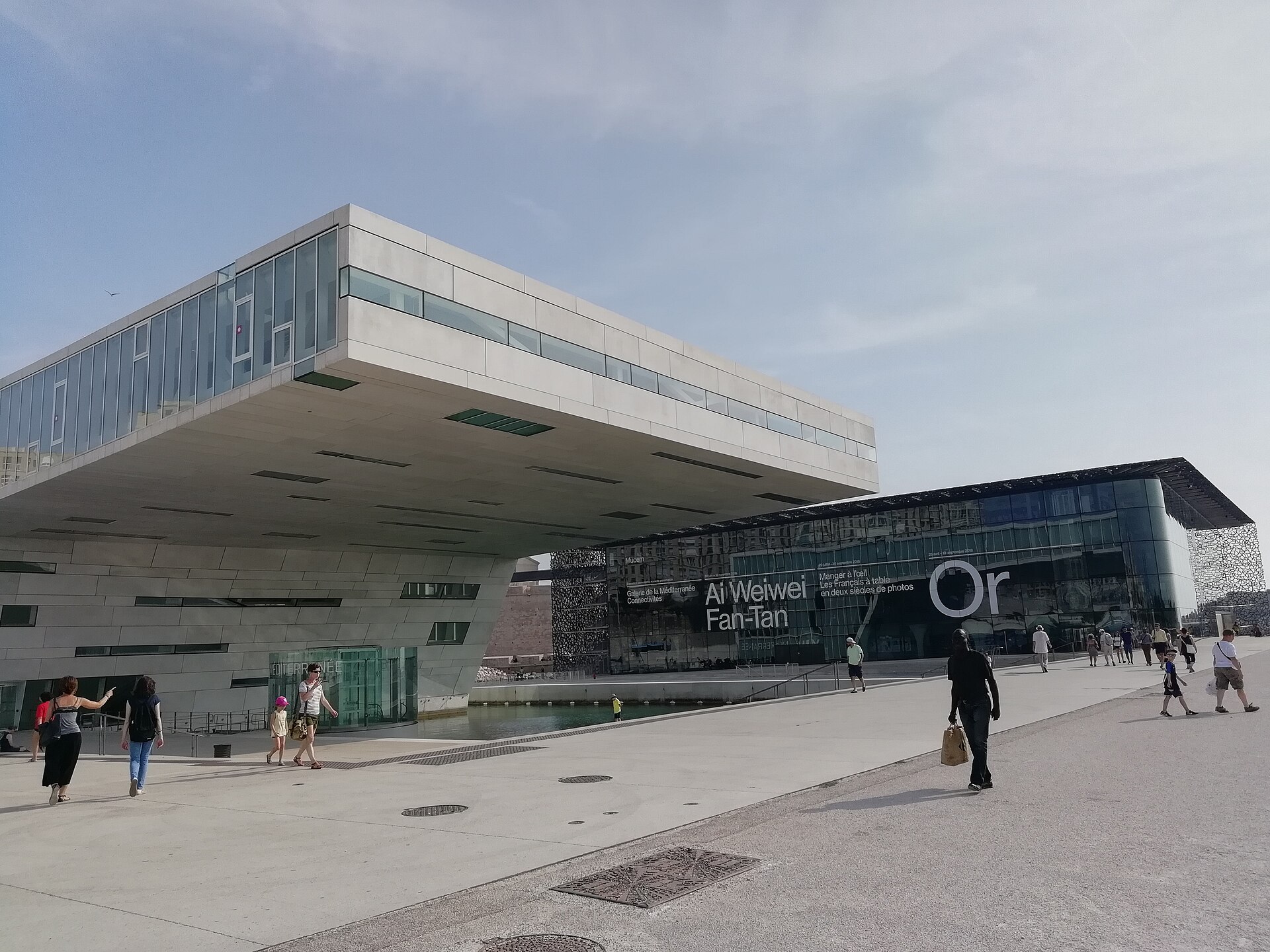
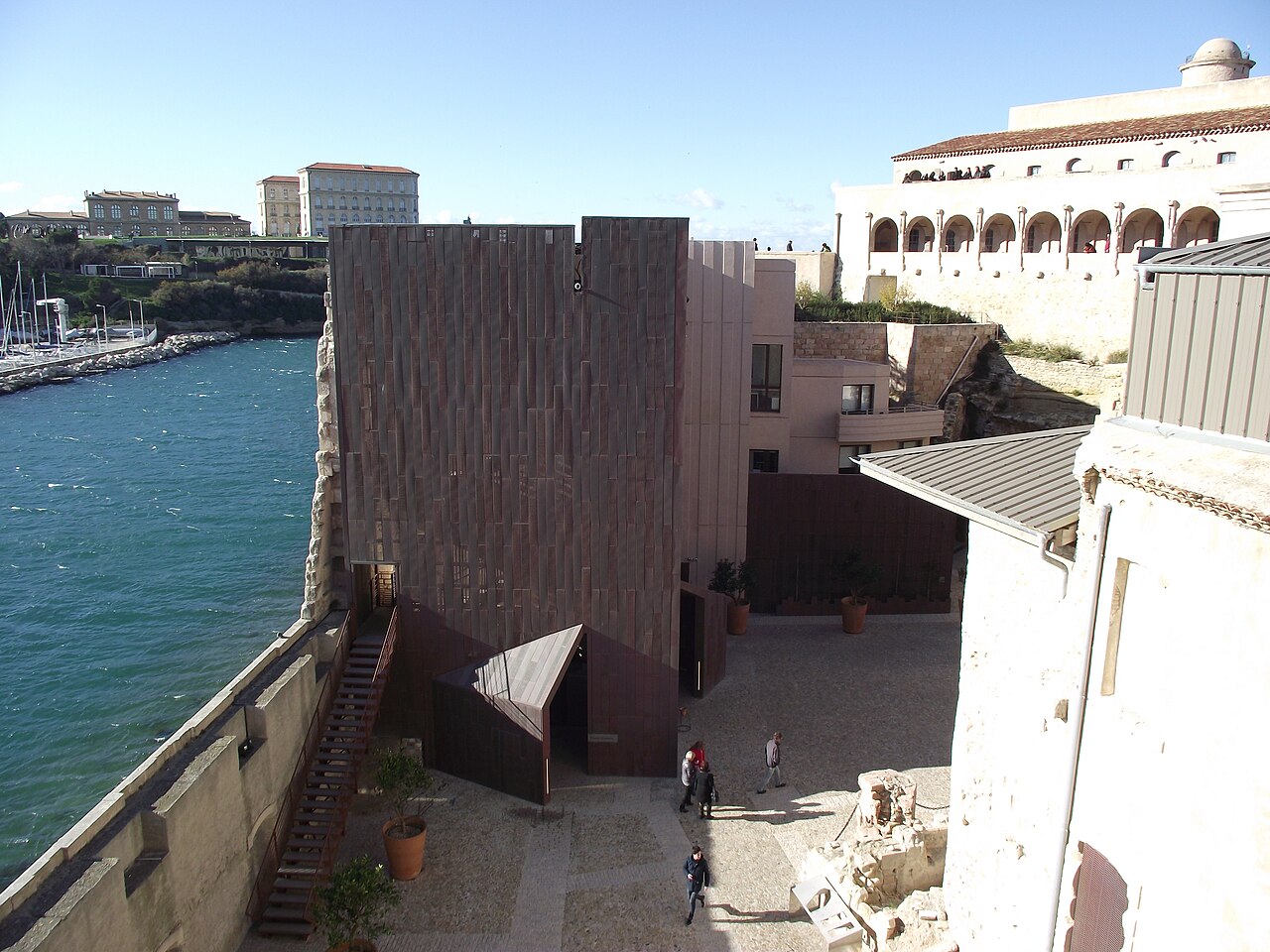
At the harbour entrance, the Museum of European and Mediterranean Civilisations links J4 to Fort Saint-Jean with walkways. Stroll freely on the fort and terraces; only the exhibition entry is ticketed.
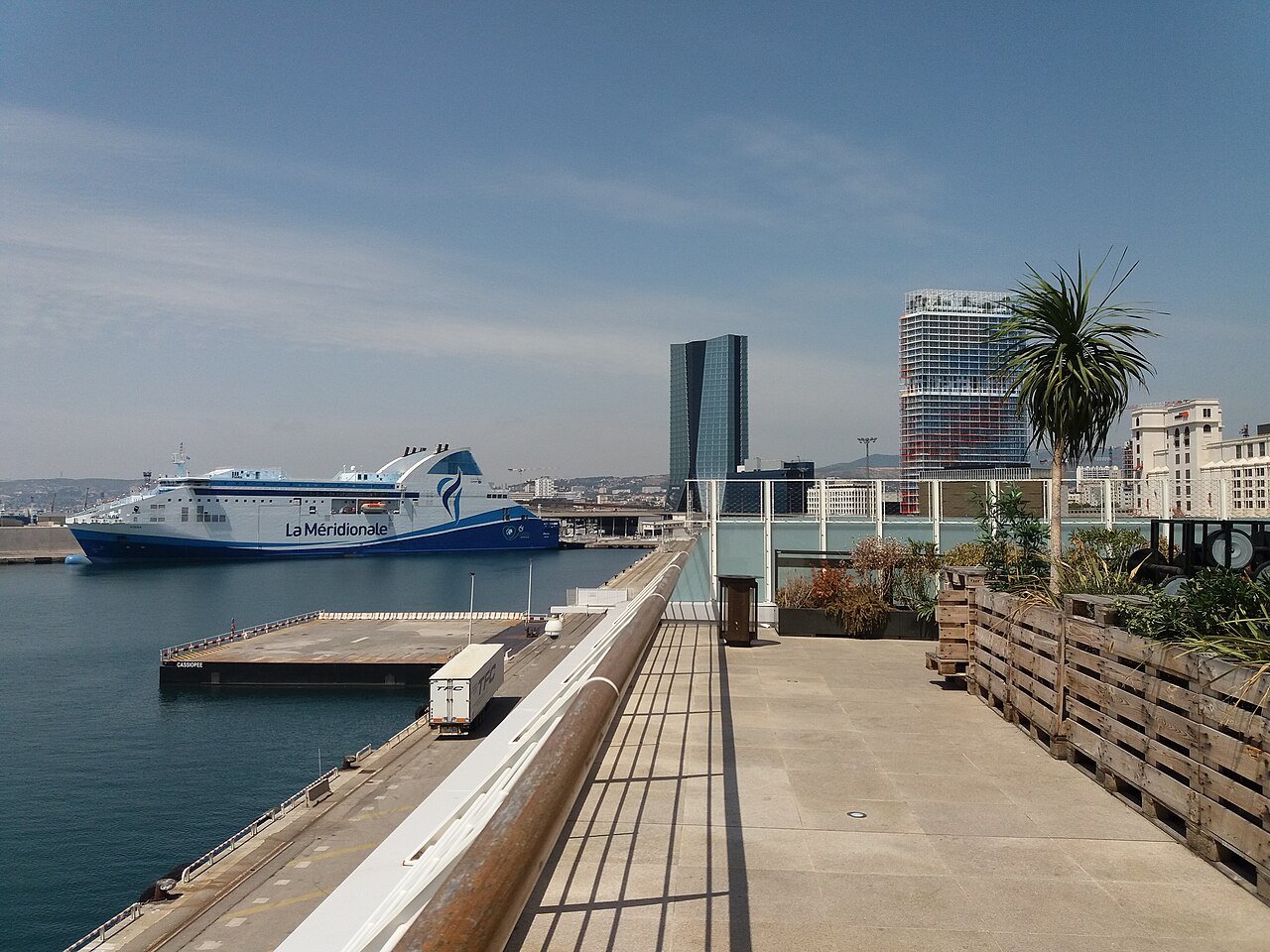
A short walk from the MuCEM, this seafront centre invites a shopping break or a coffee with a view of the main port. A handy stop to link culture and the waterfront at La Joliette.
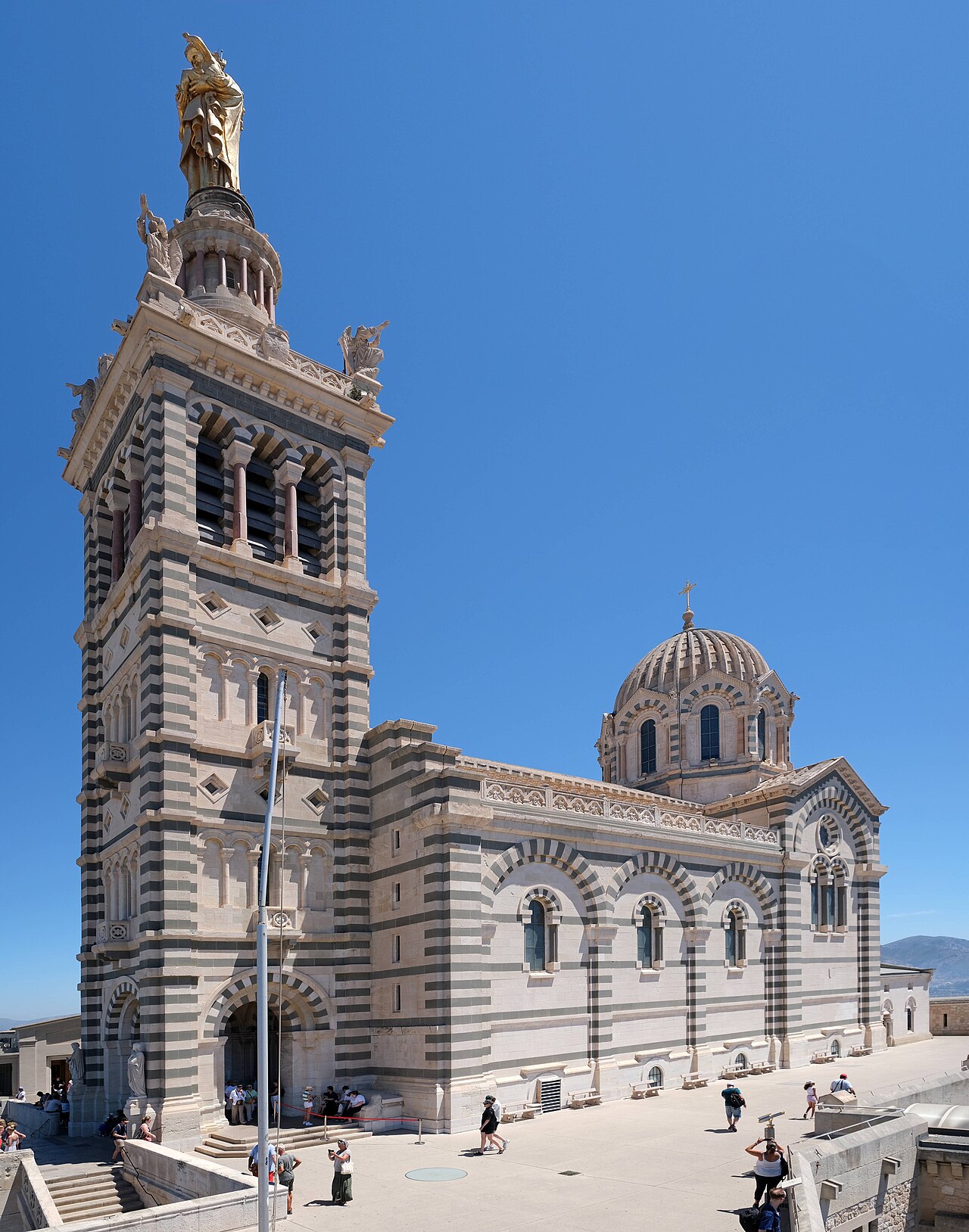
A symbol of Marseille, the basilica offers a 360° view over the city, the islands and the Calanques massif. Bus 60 serves the site from the Old Port; allow time for the walk up if you enjoy hiking.
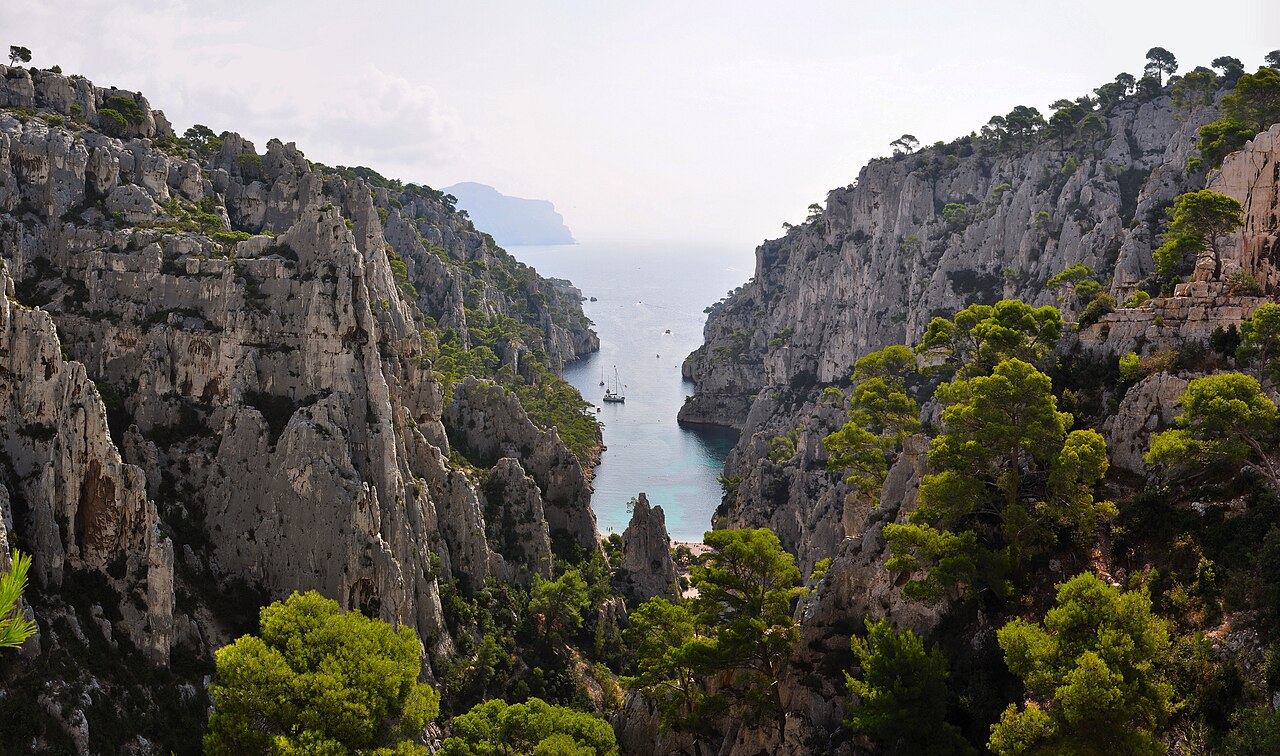
From the Old Port, boat trips follow the coast towards Sugiton, En-Vau or Cassis. A gentle way to discover the National Park without hiking; check schedules and weather on the day.
Alleys, squares and colourful façades: Le Panier is best walked between the Old Port and La Major. A stroll that pairs naturally with the MuCEM and Fort Saint-Jean.
A small fishing village south of Marseille, gateway to Callelongue and the calanques. Ideal for ending the day by the sea, by bus (lines 19 then 20) or by car depending on the season.
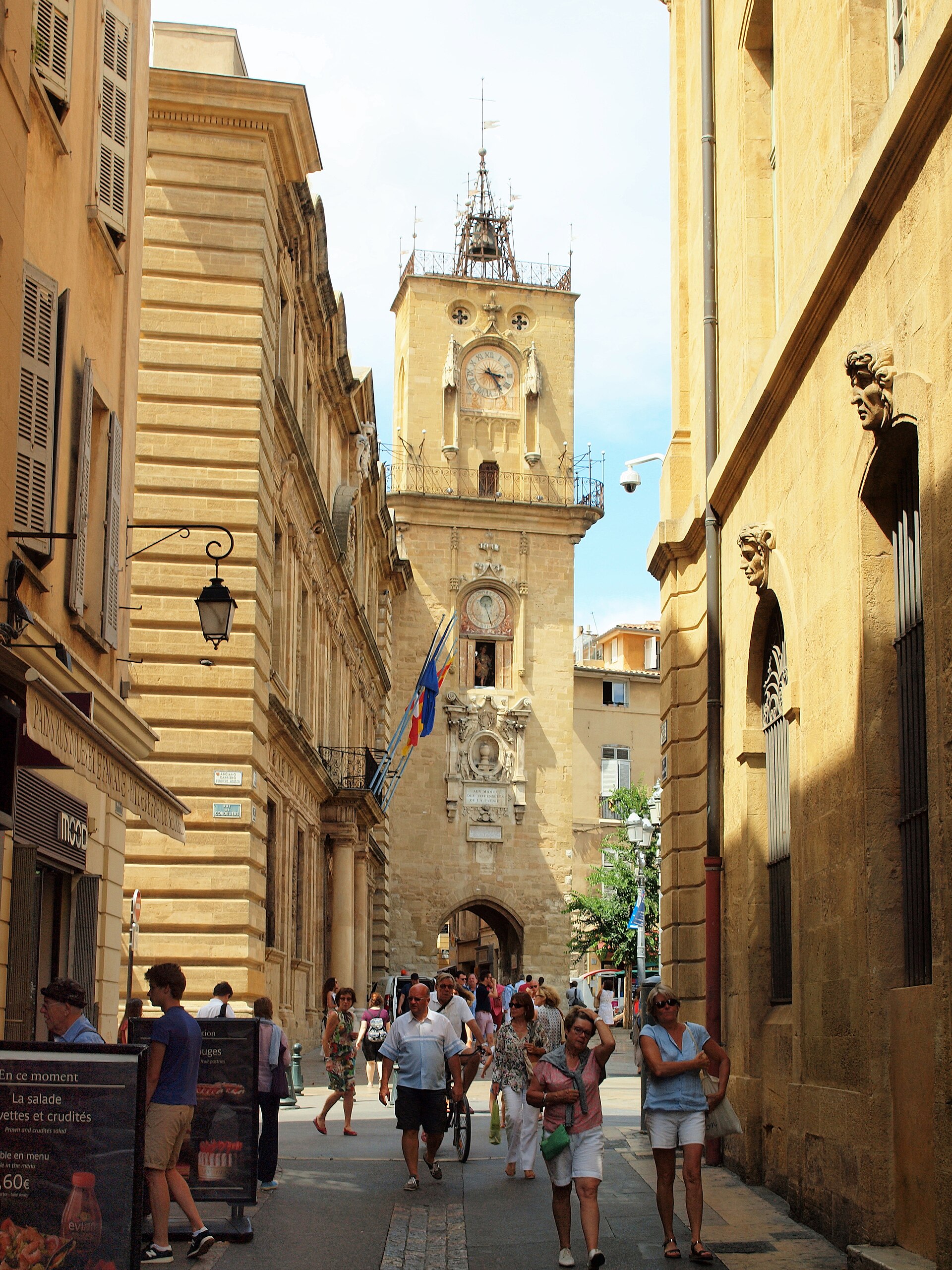
Aix is best discovered on foot: Cours Mirabeau, the Mazarin district, squares and their fountains. Museums, alleyways and markets make for an elegant, unhurried day.
The Granet Museum on Place Saint-Jean-de-Malte presents a wide panorama of painting and sculpture, with an enriched Cézanne collection. Check temporary exhibitions before your visit.
Behind Cours Mirabeau, the historic centre unfolds in passages, squares and townhouses. Get willingly lost: every detour leads to a fountain, a terrace or a craft shop window.
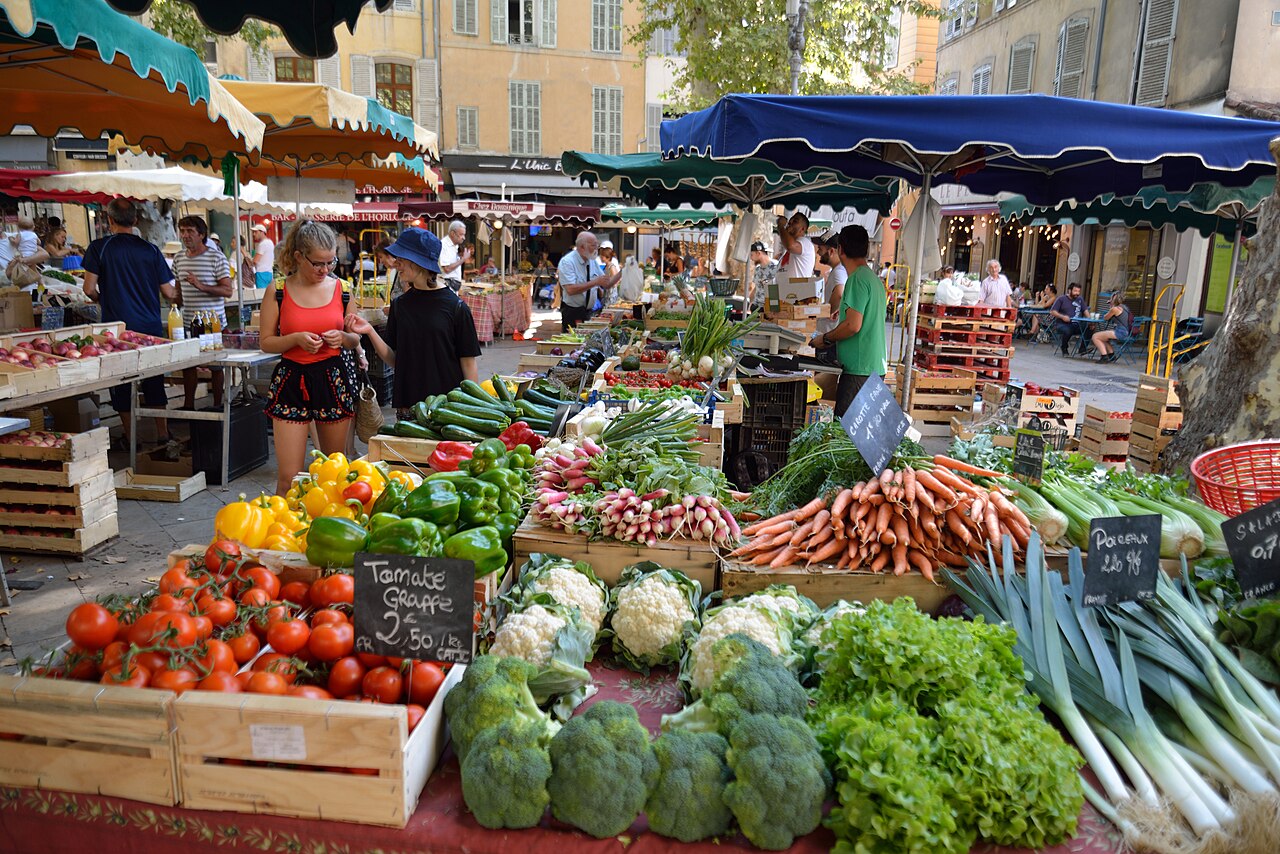
On Tuesday, Thursday and Saturday, the big market fills Cours Mirabeau and nearby squares: textiles, crafts, flea finds. Food markets complete the picture on other days — a dive into everyday Aix life.
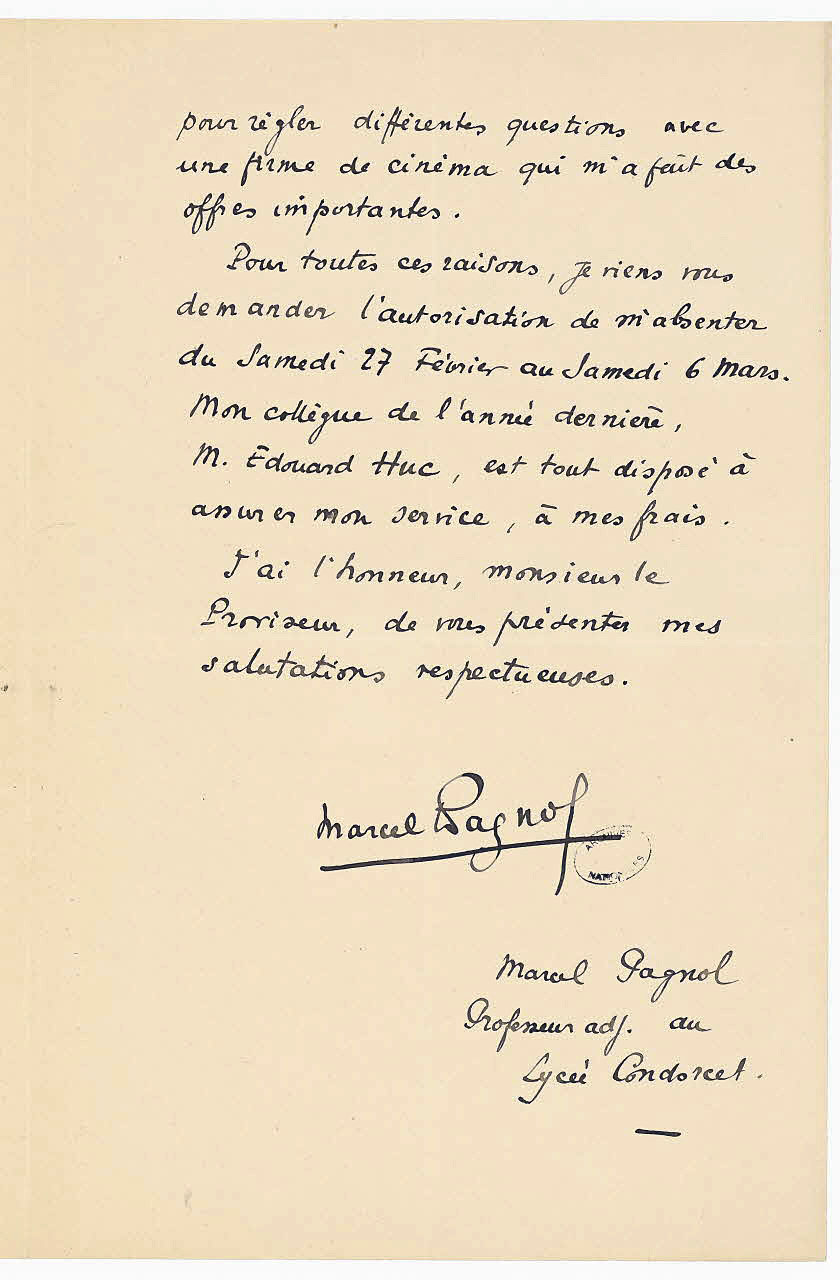
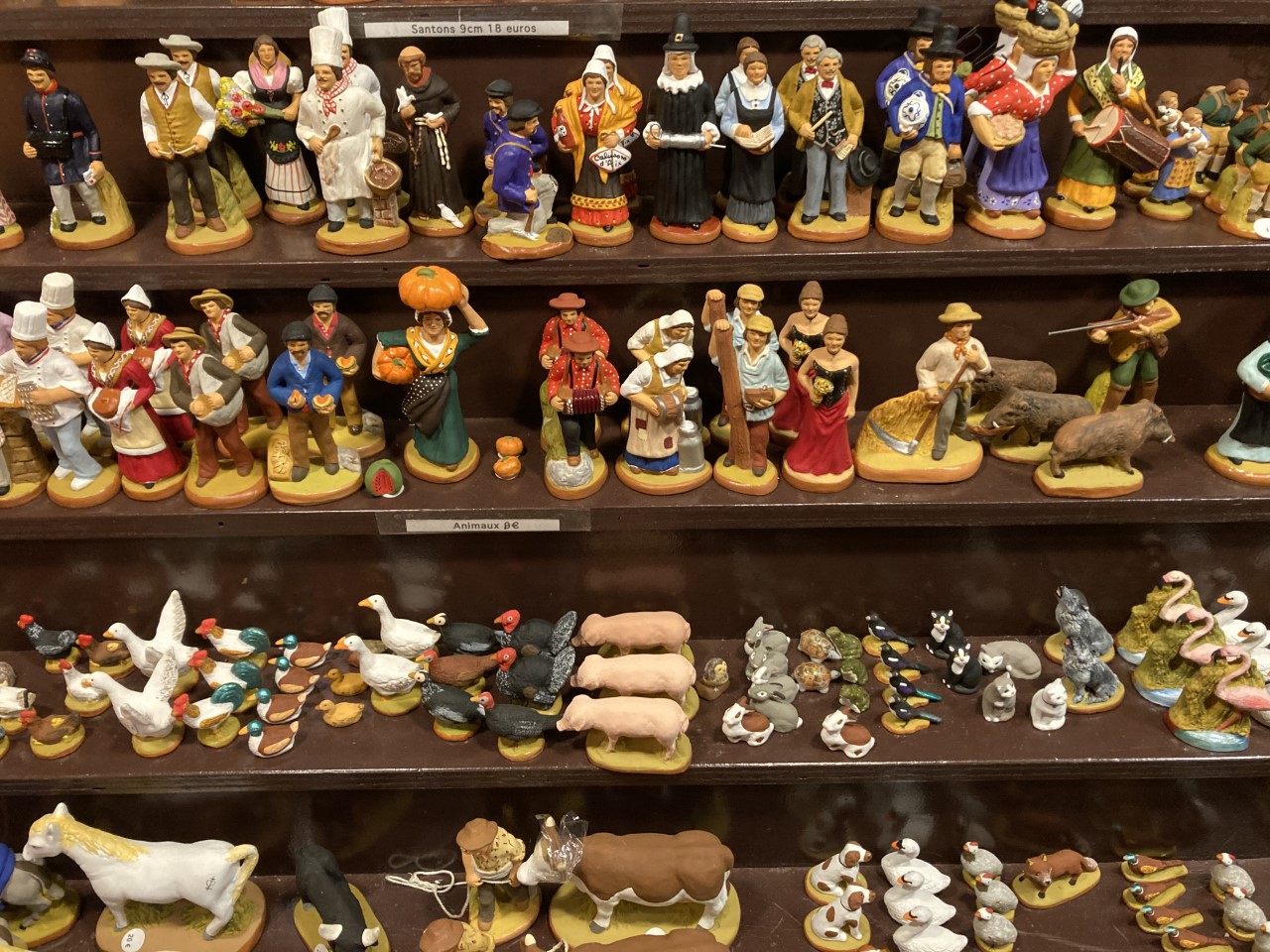
In Aubagne, Pagnol’s hills meet the art of clay. Birthplace house, Petit Monde de Marcel Pagnol and santon workshops make for an intimate outing between culture and nature.
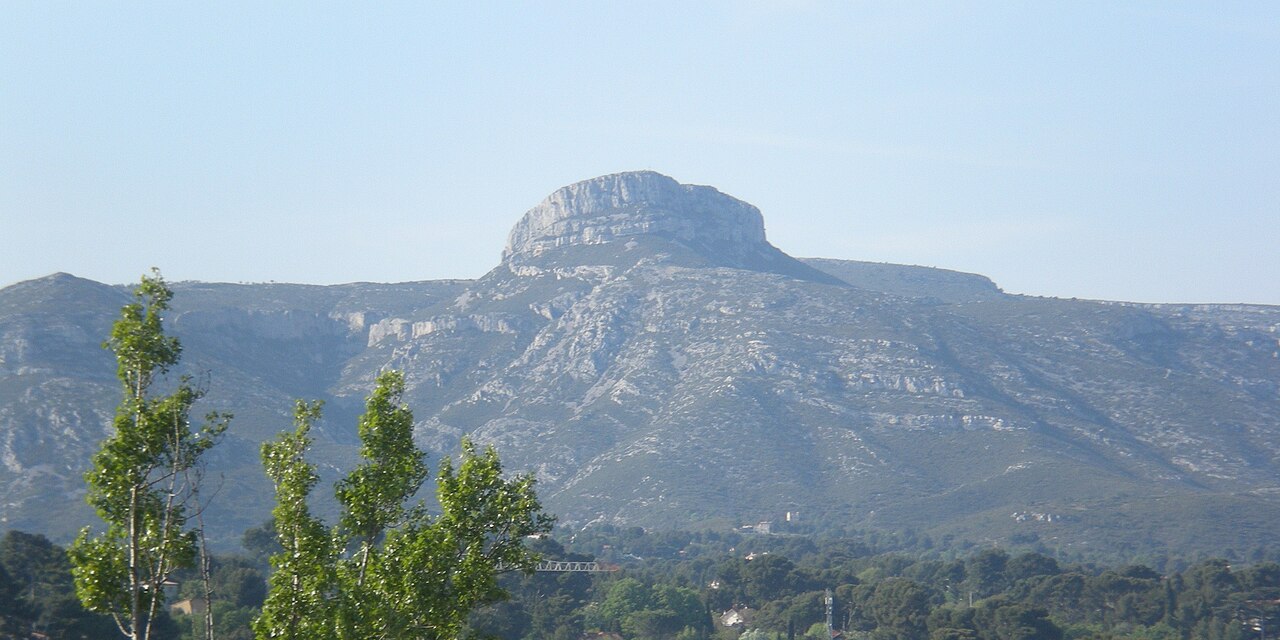
Garlaban and its ridges still inspire walks “à la Pagnol”. The tourist office offers guided hikes and e-bike rentals to explore the massif at your own pace.
Visit the birthplace and the Petit Monde de Marcel Pagnol: two hundred santons stage the world of the Aubagne writer and filmmaker. A museum pass often makes combining both sites easier.
Capital of santon makers, Aubagne has worked clay for generations. The santons village, workshops and museums let you meet this living craft — and bring home a Provençal figurine.
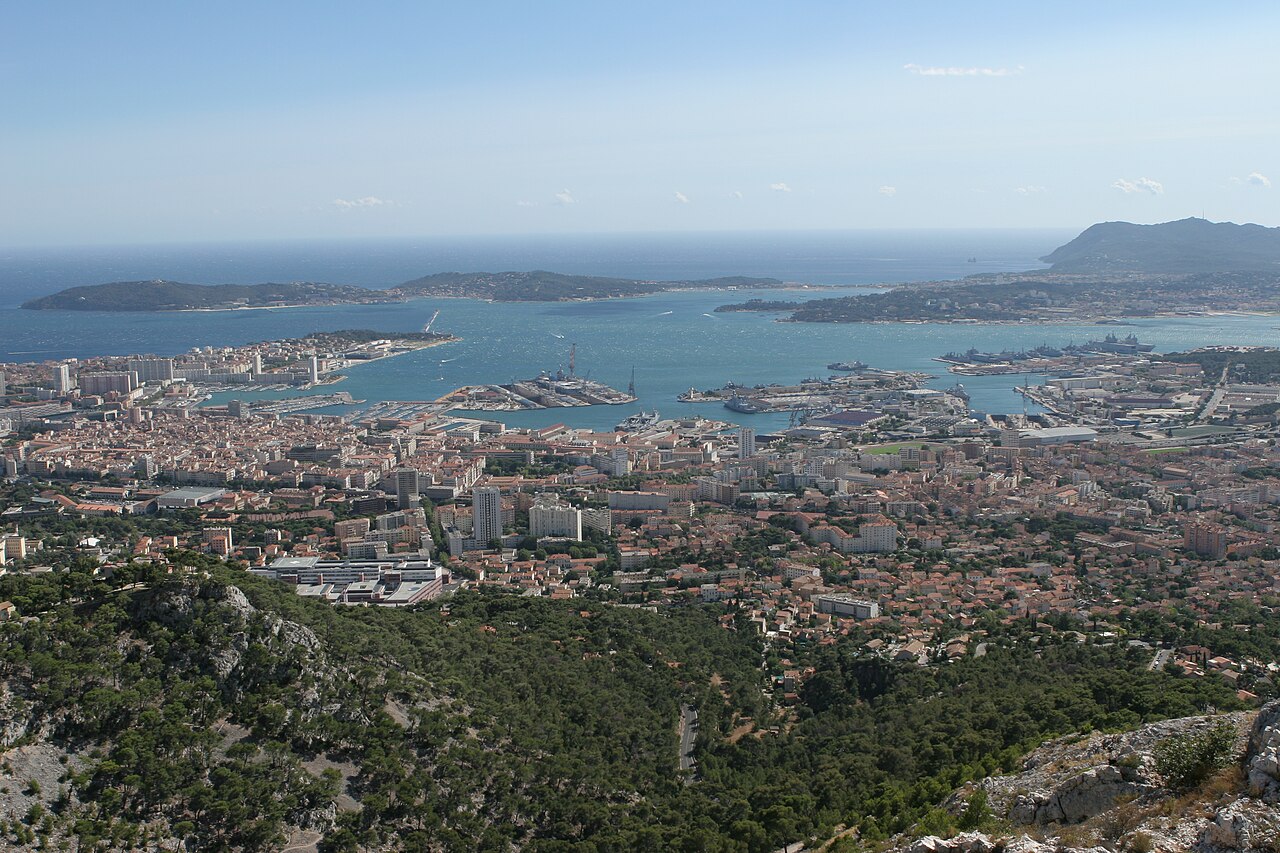
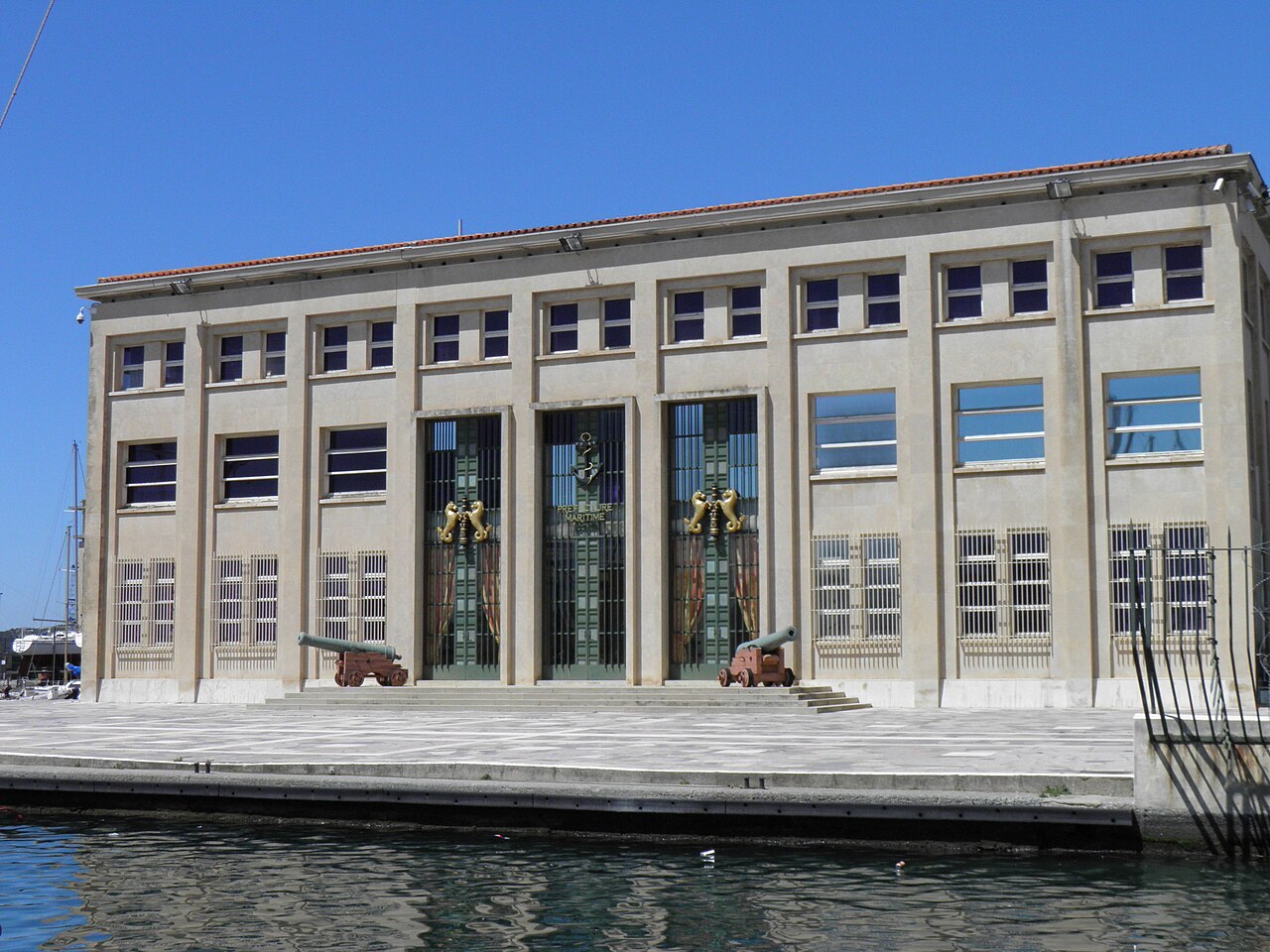
Closer to Bormes, Toulon invites you up Mont Faron, to take in the harbour and dive into naval history. Half a day or a full day, depending on how much walking and museums you want.
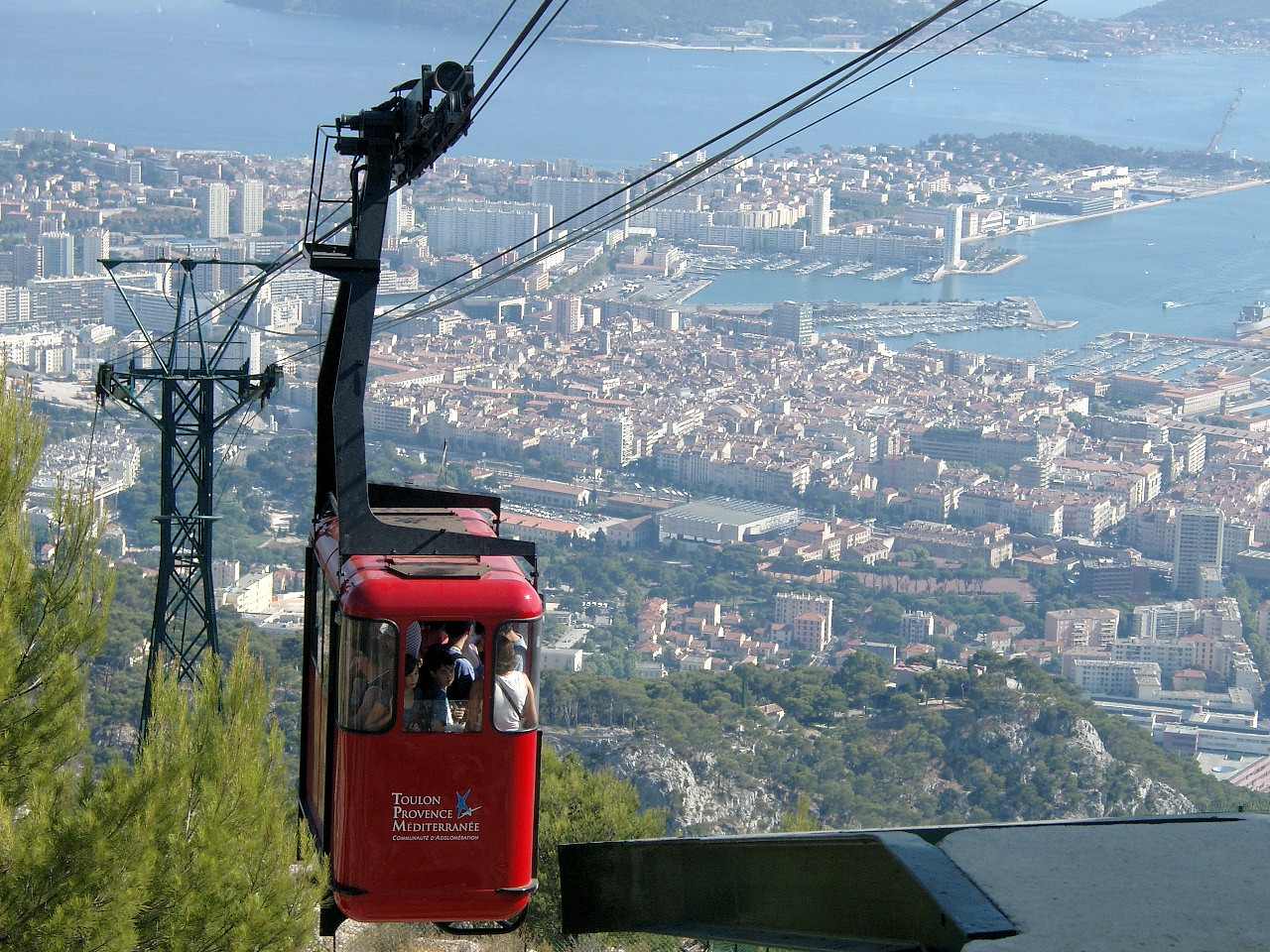
Unique on the Mediterranean coast, the cable car climbs to the summit in a few minutes. At the top: panorama, trails, Landing memorial. Closed in high wind or fire risk — check the timetable.
From the summit, the city, military port and Mediterranean stretch out to Saint-Mandrier. One of the region’s finest views — worth extending with a walk on the Faron trails.
On Place Monsenergue, the museum tells more than four centuries of Toulon’s maritime history. An ideal complement to the harbour view, in the heart of the city.
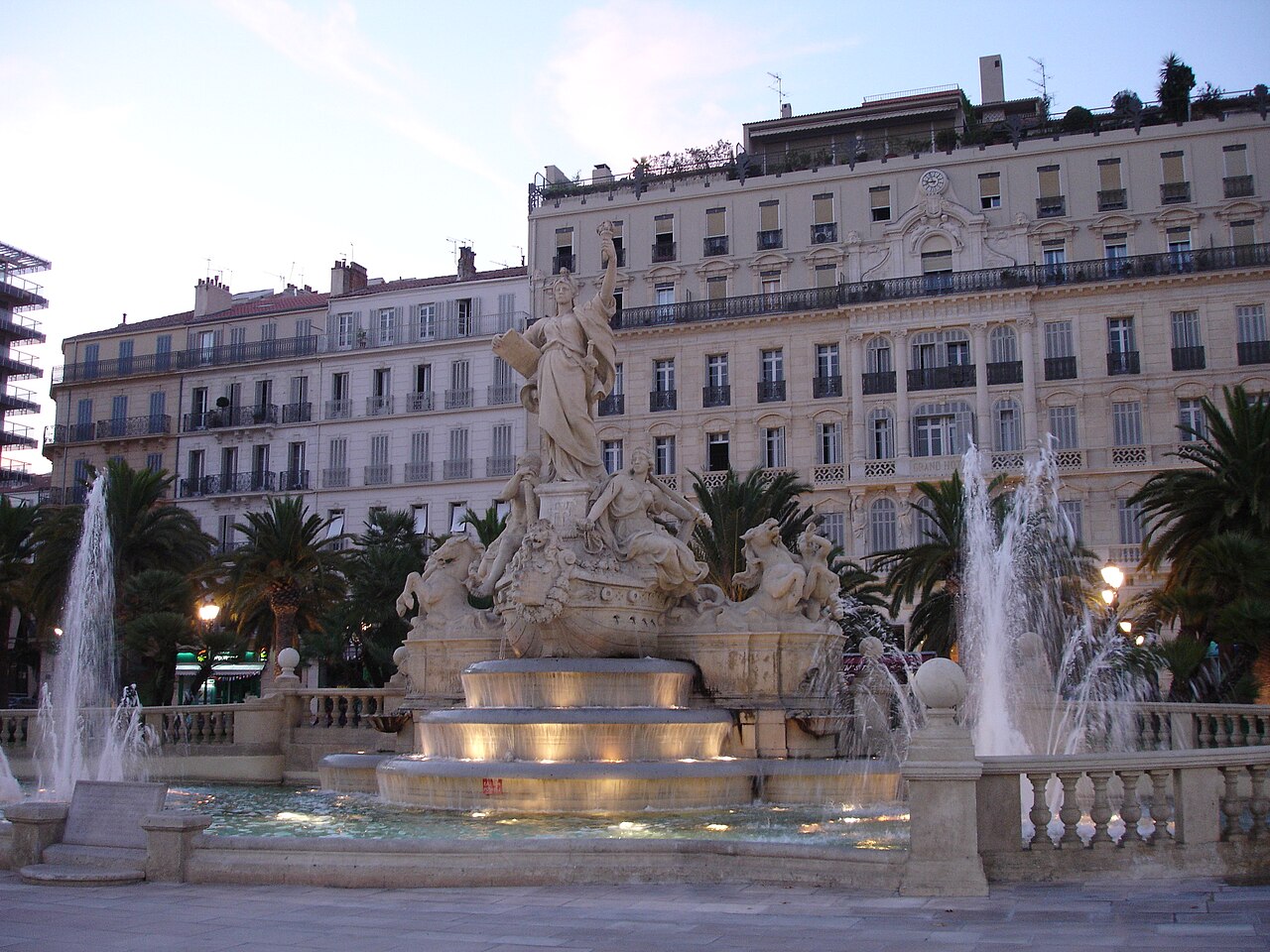
Toulon’s lively heart, the square and its fountain open onto pedestrian streets, cafés and shops. A stop before or after Faron, a twenty-minute walk from the lower cable-car station.
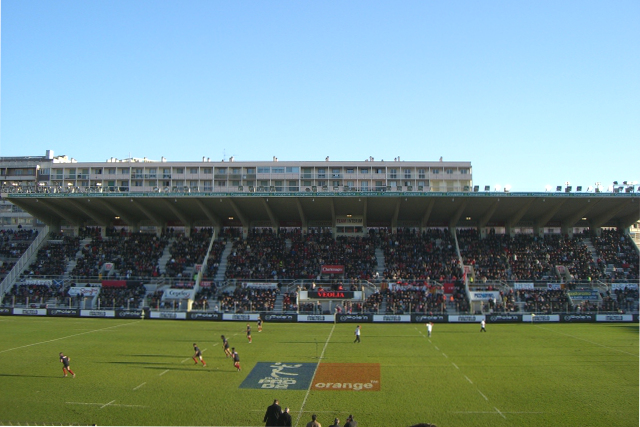
The only stadium in the city centre, near the port, Mayol is the temple of Rugby Club Toulonnais. Matches, stand atmosphere or a backstage tour: dive into the red-and-black culture once gifted by Félix Mayol.
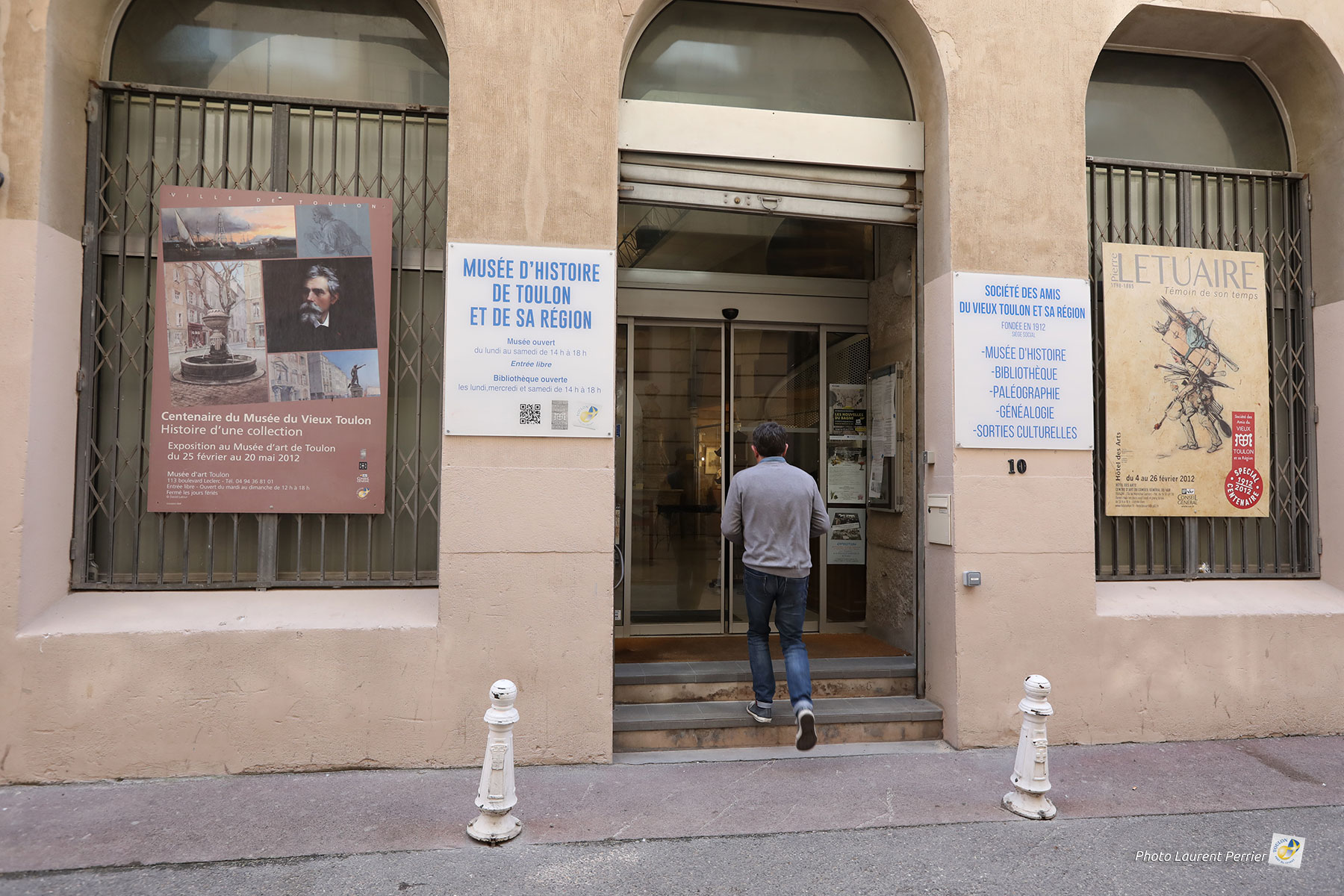
Also known as the History Museum of Toulon and its region, it holds paintings, relief maps and local archives, under the Amis du Vieux Toulon. Free entry, rue Saint-Andrieu, in the heart of the old centre.